eo_logo
 
Product added to cart

Edmund Optics®

Knowledge Center

 Verified library of trusted technical resources created by our 240+ global engineers.

Filter
Search Results for: Ultra-Thin Waveplates (54)

What are Ultra-Thin Filters?

How are ultra-thin filters different from standard optical filters? Discover the unique features and capabilties of ultra-thin filters at Edmund Optics.

View Now Add to saved content

Understanding Waveplates and Retarders

Waveplates (retarders) are different when used in polarized light than unpolarized light. Consider terminology, fabrication, or applications at Edmund Optics.

View Now Add to saved content

Laser Polarization: The Importance of Polarization in Laser Applications

Understanding the polarization of laser light is critical for many applications, as polarization impacts reflectance, focusing the beam, and other key behaviors.

View Now Add to saved content

Introduction to Polarization

Is polarization a new topic for you? Learn about key terminology, types, and more information to help you understand polarization at Edmund Optics.

View Now Add to saved content

Acktar Advanced Coatings

Discover Acktar's leading light absorbing materials and coatings for stray light suppression in UV, VIS, SWIR, and MWIR wavelengths at Edmund Optics.

View Now Add to saved content

Polarizer Selection Guide

Edmund Optics' Polarizer Selection Guide refines your search for a specific type of polarizer.
View Now Add to saved content

An Introduction to Optical Coatings

Optical coatings are used to influence the transmission, reflection, or polarization properties of an optical component.
View Now Add to saved content

Light Sheet Microscopy

Light sheet fluorescence microscopy uses a 2D laser sheet to illuminate a thin slice of the sample and excite fluorescence, reducing phototoxicity and damage.

View Now Add to saved content

Multiphoton Microscopy

Multiphoton microscopy is ideal for capturing high-resolution 3D images with reduced photobleaching and phototoxicity compared to confocal microscopy.

View Now Add to saved content

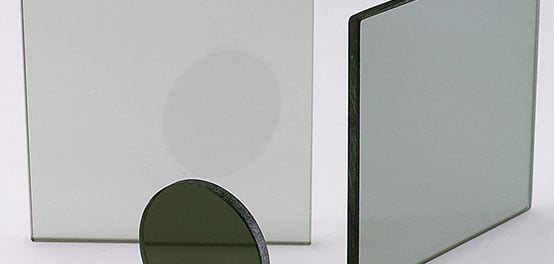
Understanding Neutral Density Filters

Neutral Density (ND) Filters are designed to evenly reduce transmission. For more information on specifications and products, read more at Edmund Optics.

View Now Add to saved content

Gaussian Beam Propagation

Many lasers are assumed to have a Gaussian profile, and understanding Gaussian beam propagation is crucial for predicting real-world performance of lasers.

View Now Add to saved content

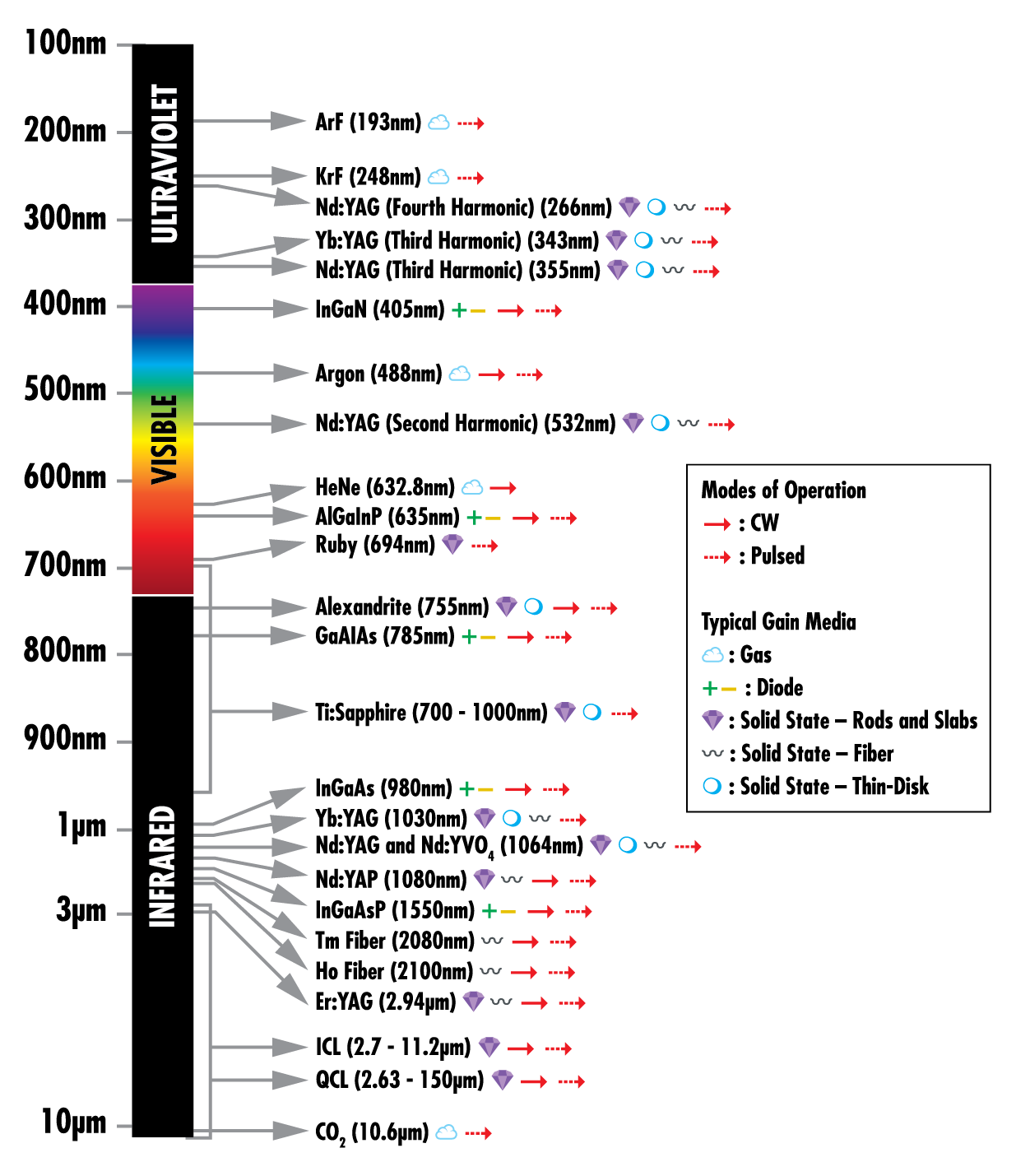
Common Laser Types

Understanding the most common laser sources, modes of operation, and gain media provides the context for selecting the proper laser for your specific application.

View Now Add to saved content

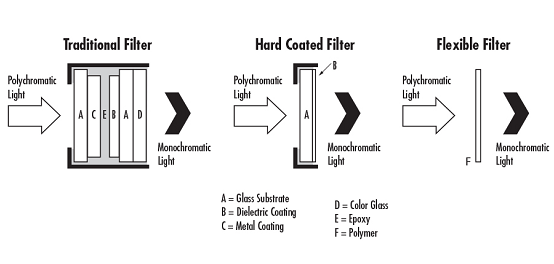
Benefits of Hard Coatings

Hard coatings provide many advantages compared to traditional soft coated optics. Learn more about the coating differences and benefits at Edmund Optics.

View Now Add to saved content

5 Considerations for the Mechanical Design, Assembly, and Alignment of Optical Systems

Are you designing an optical system? Be sure to review these 5 considerations relating to mechanical design, assembly, and alignment at Edmund Optics.

View Now Add to saved content

Diamond-Like Carbon and High-Durability AR Coatings

Diamond-like carbon (DLC) coatings are a type of highly durable, anti-reflective optical coating ideal for defense applications and other harsh environments.

View Now Add to saved content

The Importance of Optical Filter Orientation, Angle of Incidence, and Cone Half Angle

Don't let your optical filter performance be negatively impacted by the AOI and CHA of your light source.

View Now Add to saved content

Superpolished Optics

Superpolished optics with ultra-low surface roughness minimize scatter in optical systems, which is critical in sensitive laser applications.

View Now Add to saved content

Polymer Polarizers and Retarders

Polymer polarizers and retarders, consisting of sheets of polyvinyl alcohol and TAC cellulose triacetate, alter the polarization of light.

View Now Add to saved content

Advantages of Fresnel Lenses

Fresnel lenses come in different sizes and can be used in a variety of applications. Read more about the theory, manufacturing, and application use at Edmund Optics.

View Now Add to saved content

Michelson Interferometer Lab Setup: Assembly and Alignment Guide

Learn how to assemble and align a Michelson Interferometer using standard lab components from Edmund Optics. This step-by-step guide covers required parts, setup instructions, and alignment tips for producing interference fringes to measure distance, wavelength, or refractive index changes in an accessible lab environment.

View Now Add to saved content

Relative Illumination, Roll-Off, and Vignetting

In order to understand vignetting, it is important to understand sensor sizes, formats, and roll-off and relative illumination. Find out more at Edmund Optics.

View Now Add to saved content

Illumination Mounts for Machine Vision Applications

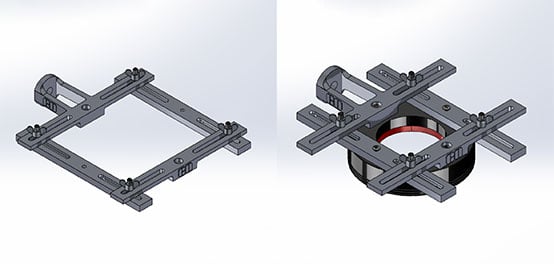
Explore a wide selection of machine vision lighting at Edmund Optics from top brands and download free 3D printed mounts for various lighting geometries.

View Now Add to saved content

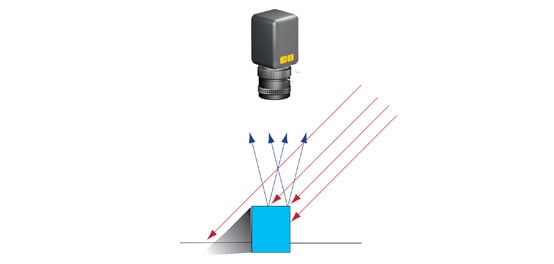
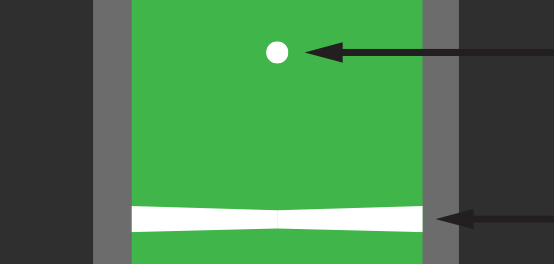
Brightfield Illumination with Spot and Bar Lights for Machine Vision

Learn about how to show different objects (diffuse and specular) with partial brightfield illumination using a white spot light or bar light.

View Now Add to saved content

Machine Vision for Golf Simulators

Imaging lenses are critical components of the quickly-growing golf simulator market. Learn how to select the right lenses and cameras!

View Now Add to saved content

Why Laser Damage Testing is Critical for UV Laser Applications

Laser Induced Damage Threshold describes the maximum quantity of laser radiation an optic can take before damaging. Learn more at Edmund Optics.

View Now Add to saved content

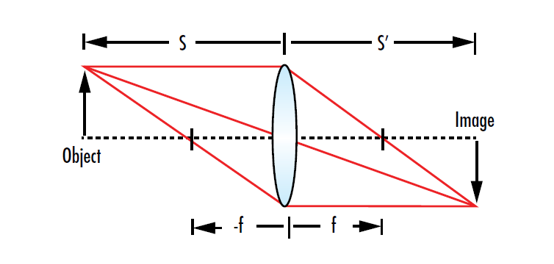
Lens Spacers, Shims, and Focal Length Extenders

Want to learn how to extend a lens beyond its limits in an application? Learn more about spacers, shims, and focal length extenders at Edmund Optics.

View Now Add to saved content

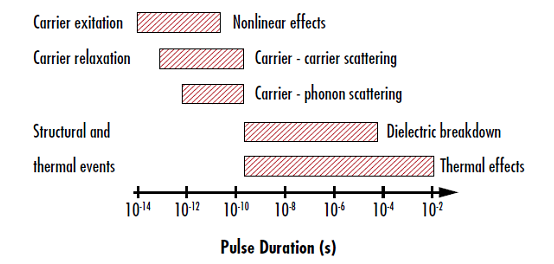
Understanding and Specifying LIDT of Laser Components

Laser induced damage threshold (LIDT) denotes the maximum laser fluence an optical component can withstand with an acceptable amount of risk.

View Now Add to saved content

The Complexities of High-Power Optical Coatings

Want to know more about high-power optical coatings? Find out more about the importance, fabrication, and testing at Edmund Optics.

View Now Add to saved content

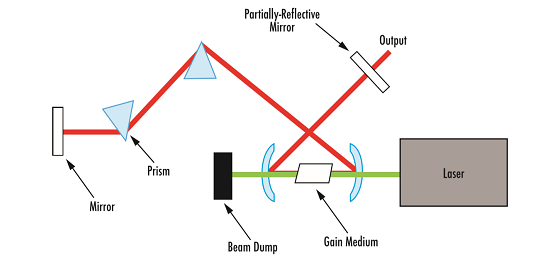
Ultrafast Lasers – The Basic Principles of Ultrafast Coherence

Advances in laser technology have made it possible to produce pulses ranging from a few femtoseconds to tens of attoseconds. Learn more at Edmund Optics.

View Now Add to saved content

Aberrational Balancing of MTF in Lens Design

Do you have multiple projects that involve the use of a lens? Find out about different lenses that can be adapted for multiple purposes at Edmund Optics.

View Now Add to saved content