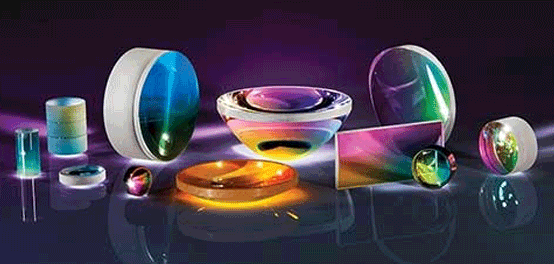
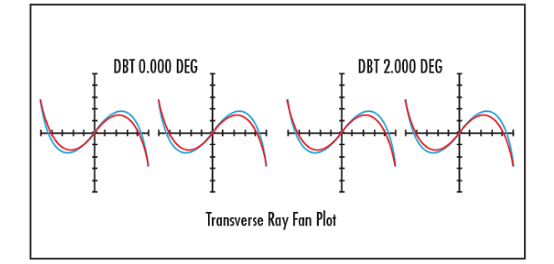
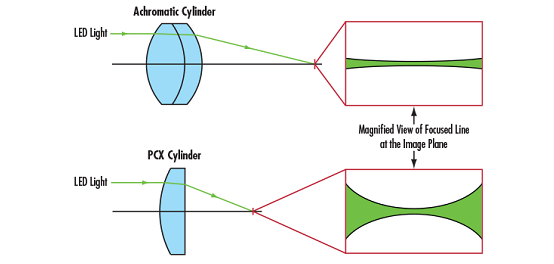
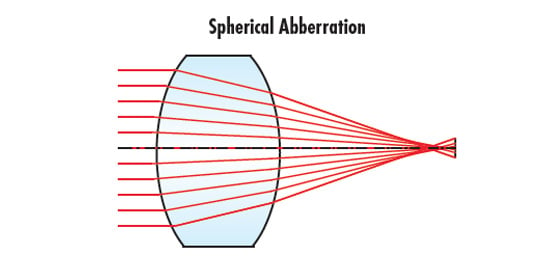
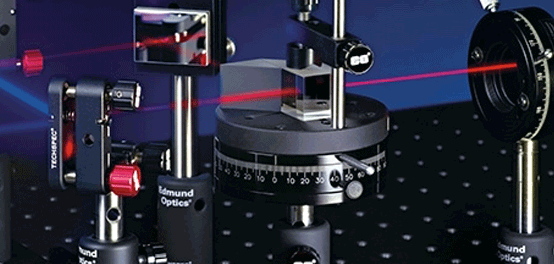
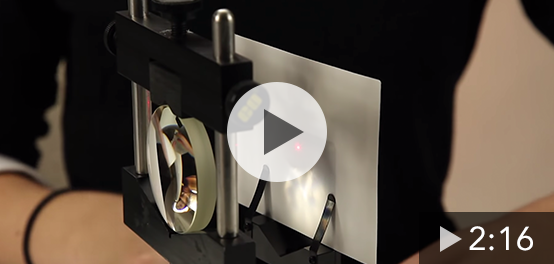
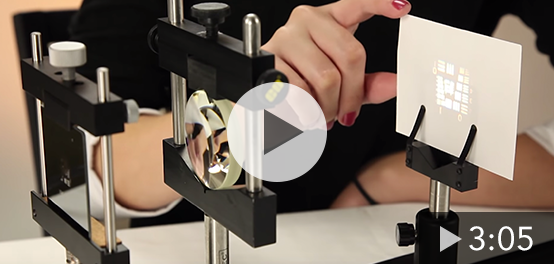
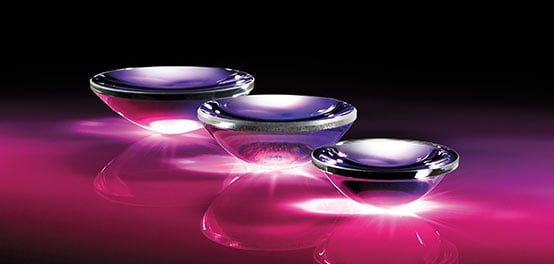
This comparison of the performance of aspheric, achromatic, and spherical PCX lenses in different situations reveals the ideal use cases for each type of lens.
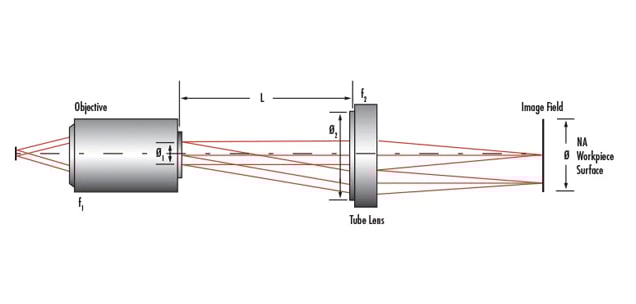
Understanding Infinity Corrected Objective Resolving Power and Magnification
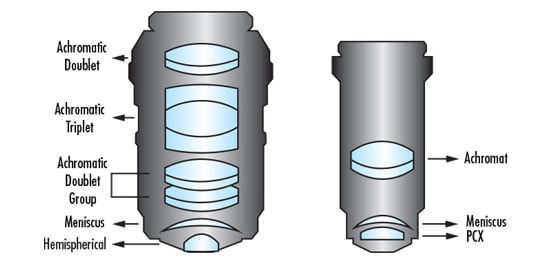
Microscopes are used in a variety of fields and applications. To understand how resolving power, magnification, and other aspects work, read more at Edmund Optics.
Want to know why you should use an achromatic lens? Find out more about achromatic lenses including the anatomy, notable features, and more at Edmund Optics
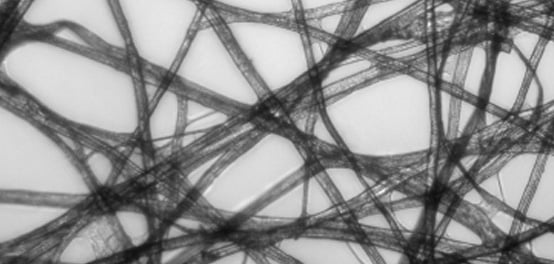
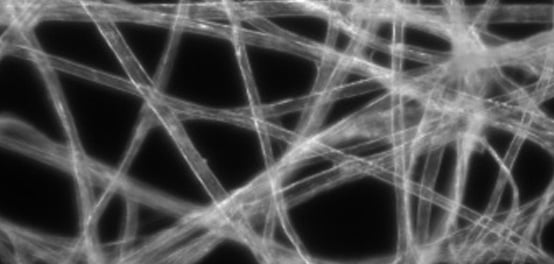
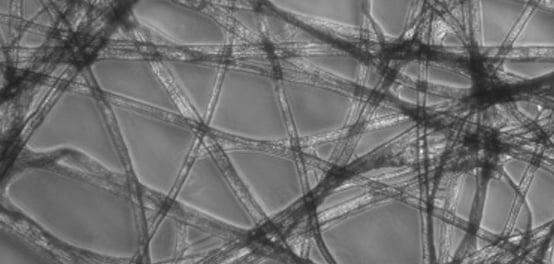
Darkfield illumination is the opposite of brightfield illumination. Find out how darkfield differs from brightfield in optical microscopy at Edmund Optics.
Think you know all the advantages for using phase contrast in optical microscopy? Advantages, image appearance, and technical details can be found at Edmund Optics.
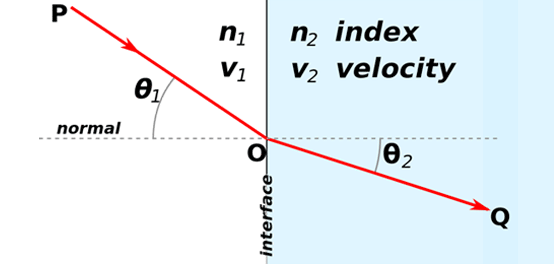
Dispersion is the dependence of the phase velocity or phase delay of light on another parameter, such as wavelength, propagation mode, or polarization.
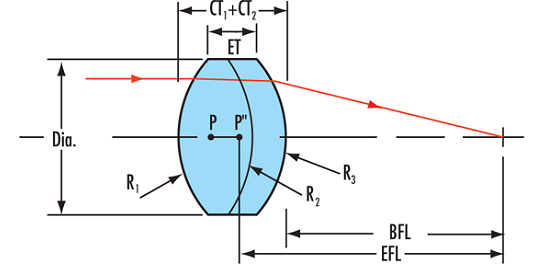
Aspherized Achromatic Lenses, exclusive to Edmund Optics, are doublet lenses consisting of two cemented optical elements that are matched for their color-correction ability and small RMS spot size.
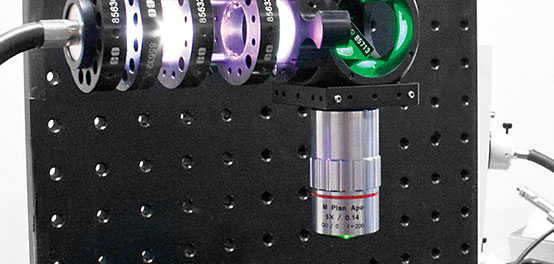
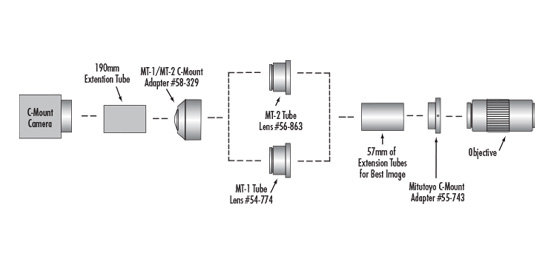
Optical Cage System Application: Digital Video Microscope
Are you looking to simplify the assembly of a digital video microscope? Find out how a TECHSPEC Optical Cage System allows for quick build at Edmund Optics.
Confocal microscopy provides high resolution, elimination of out-of-focus glare due to spatial filtering, and reduction of light-induced damage to the sample.
Differential interference contrast (DIC) is one of the polarization techniques that can be used in optical microscopy. Learn about this technique at Edmund Optics.
Debating whether or not to use a traditional cylinder lens or an achromatic cylinder lens? Discover the benefits of achromatic cylinder lenses at Edmund Optics.
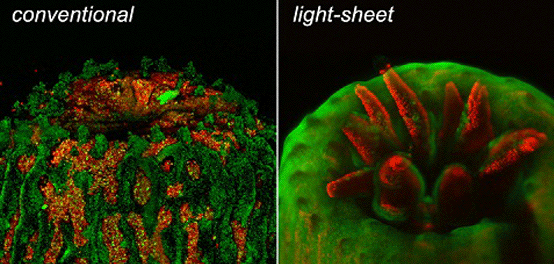
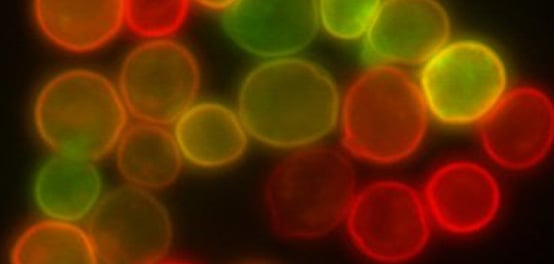
Light sheet fluorescence microscopy uses a 2D laser sheet to illuminate a thin slice of the sample and excite fluorescence, reducing phototoxicity and damage.
Modifying Stock Optics Tip #4: Add A Coating To A Stock Lens
Join Andrew Fisher, Manufacturing R&D Engineer at Edmund Optics, as he discusses some tips for modifying stock optical components to fit your application's needs.
Although a common misconception, individual optical lenses do not always form an image when the object plane is placed a focal length away from the lens.
Digital video microscopes use a camera to capture and record images. Read more about the components needed to assemble a video microscope at Edmund Optics.
Color-corrected optical lenses are ideal for many applications because they reduce multiple aberrations. Learn more about the advantages at Edmund Optics.