eo_logo
 
Product added to cart

Edmund Optics®

Knowledge Center

 Verified library of trusted technical resources created by our 240+ global engineers.

Filter
Search Results for: Wide AOI Waveplates (150)

Polarization Overview - Part 2: Waveplates & Retarders (Advanced)

Waveplates and retarders are optical components designed to transmit light while modifying its polarization state without attenuating, deviating, or displacing the beam.

View Now Add to saved content

Wide-Field Eyepiece

View Now Add to saved content

I’d like to use a 50R/50T plate beamsplitter at a 12° angle of incidence (AOI). Your plate beamsplitters are specified for 45° AOIs, how will they perform outside this range?

View Now Add to saved content

Do larger diameter aspheric lenses experience more significant angle of incidence (AOI) and deposition effects during coating, shifting their spectral performance?

View Now Add to saved content

How do I know if angle of incidence (AOI) and deposition effects during coating will be an issue for me when looking at off-the-shelf aspheres?

View Now Add to saved content

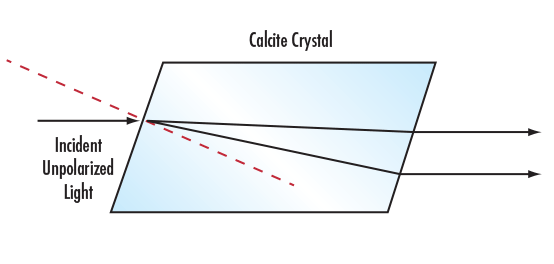
Understanding Waveplates and Retarders

Waveplates (retarders) are different when used in polarized light than unpolarized light. Consider terminology, fabrication, or applications at Edmund Optics.

View Now Add to saved content

You offer a wide variety of adhesives. Which adhesive should I use?

View Now Add to saved content

The Importance of Optical Filter Orientation, Angle of Incidence, and Cone Half Angle

Don't let your optical filter performance be negatively impacted by the AOI and CHA of your light source.

View Now Add to saved content

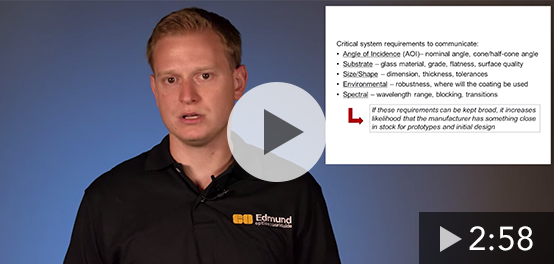
What's New In Optical Coatings: Communicating Requirements

Join Stephan Briggs, Biomedical Engineer at Edmund Optics, as he discusses critical system requirements to communicate

View Now Add to saved content

Laser Polarization: The Importance of Polarization in Laser Applications

Understanding the polarization of laser light is critical for many applications, as polarization impacts reflectance, focusing the beam, and other key behaviors.

View Now Add to saved content

What is the difference between multiple and zero-order retarders and when should I pick one over the other?

View Now Add to saved content

Why do ultrafast highly-dispersive mirrors have such low angles of incidence (AOIs)?

View Now Add to saved content

Ultrafast Highly-Dispersive Mirrors

Pulse Compression and Dispersion Compensation for Ultrafast Lasers

View Now Add to saved content

What maximum dimensions of polarizing films can you supply? Are rolls available?

View Now Add to saved content

Why is chromatic dispersion important for ultrafast laser systems?

View Now Add to saved content

Introduction to Polarization

Is polarization a new topic for you? Learn about key terminology, types, and more information to help you understand polarization at Edmund Optics.

View Now Add to saved content

Minimizing Thermal Lensing in Ultrafast Systems

Specialized coatings can minimize thermal lensing in ultrafast laser systems, which are particularly susceptible to detrimental thermal effects.

View Now Add to saved content

Is frame rate, area of interest and exposure time related when using the Edmund Optics USB2.0 cameras?

View Now Add to saved content

Machine Vision Filter Technology

While working with machine vision, there are different types of filters that can be used to alter the image. Find out about the different types at Edmund Optics.

View Now Add to saved content

Polarization Overview - Part 1: Polarization Basics

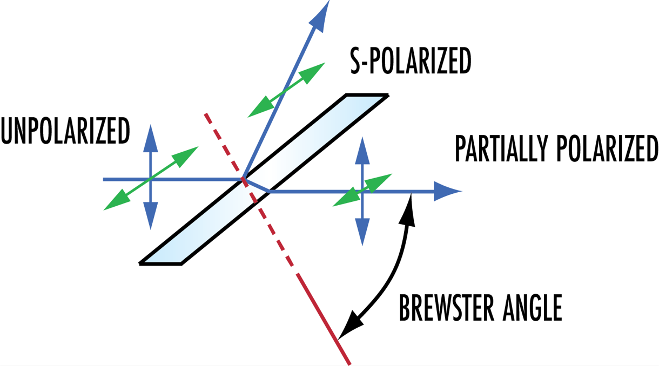
Polarizers are optical components designed to filter, modify, or analyze the various polarization states of light.

View Now Add to saved content

What is the difference between Achromatic, Semi-Plan and Plan objectives?

View Now Add to saved content

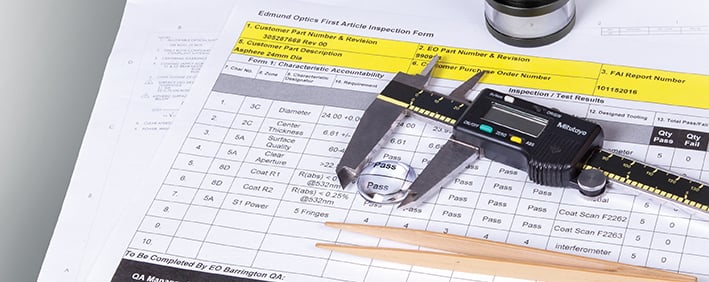
What exact kind of metrology does Edmund Optics use to support its asphere manufacturing?

View Now Add to saved content

Polarizers Review

Polarizers are used in a wide range of imaging and research and development applications.

View Now Add to saved content

Metrology at Edmund Optics: Measuring as a Key Component of Manufacturing

Learn about the metrology that Edmund Optics® uses to guarantee the quality of all optical components and assemblies.

View Now Add to saved content

Choosing the Right Beam Expander with Dr. Mary Turner
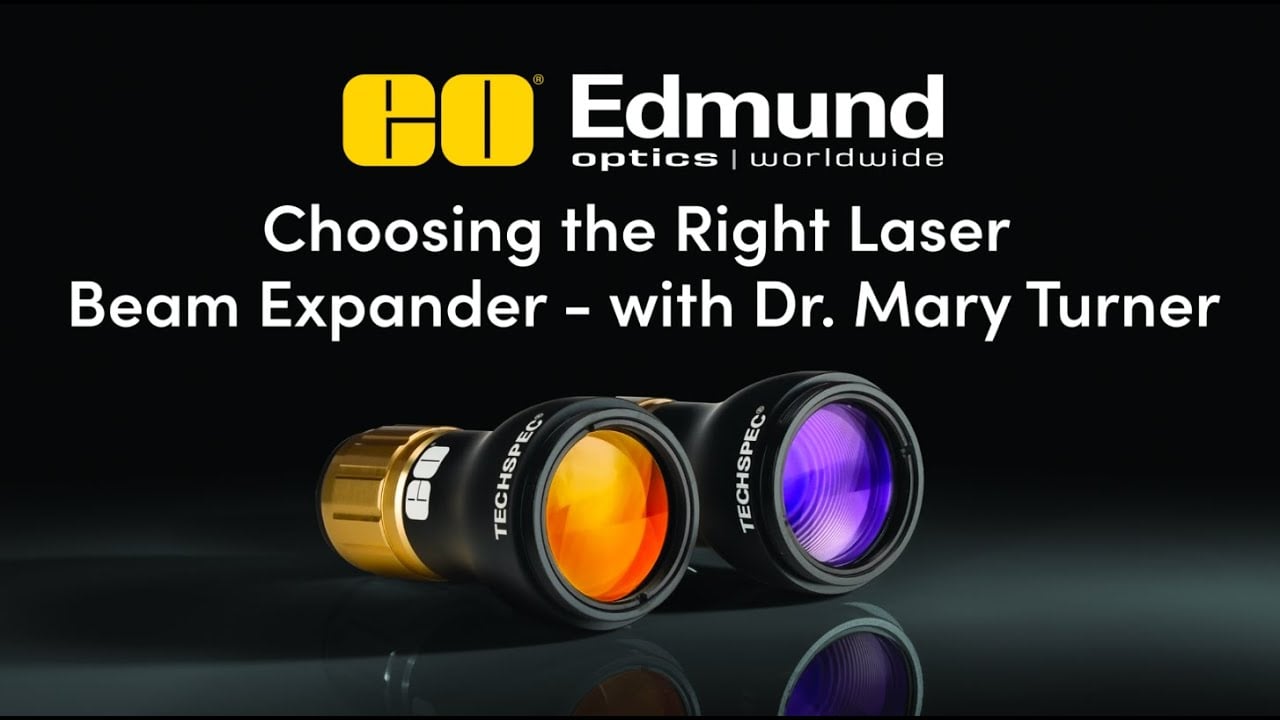
Learn how to choose the right beam expander for your laser system in this tutorial from Dr. Mary Turner, Technical Fellow at Edmund Optics
View Now Add to saved content

You offer many types of polarizers. What are some key benefits to help me decide which is best for my application?

View Now Add to saved content

Introduction to Fluorescence Filters: Principles, Selection, and Applications

Learn how to choose the right combination of fluorescence filters for your fluorophores and optical requirements

View Now Add to saved content

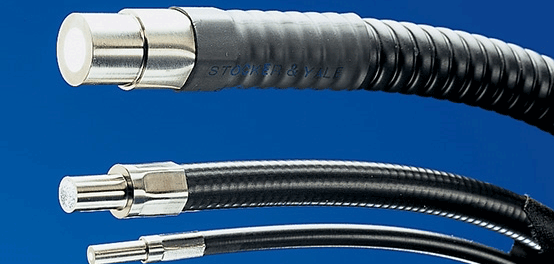
What are the advantages of Fiber Optic Illumination?

View Now Add to saved content

Life Cycle of an Optical Filter

Follow the manufacturing process of an optical filter, moving through coating, processing, and metrology

View Now Add to saved content

E-Series Kinematic Optical Mirror Mounts

E-Series Kinematic Optical Mounts provide high value and essential features for applications including lab use, prototyping, and system integration

View Now Add to saved content