eo_logo
 
Product added to cart

Edmund Optics®

Knowledge Center

 Verified library of trusted technical resources created by our 240+ global engineers.
Filter
Search Results for: Thermal Cameras (130)

Cameras

Are you new to imaging or looking for a refresh on camera types? Learn about the advantages to camera types, digital interfaces, and more at Edmund Optics.

View Now Add to saved content

How Do Cameras Work?

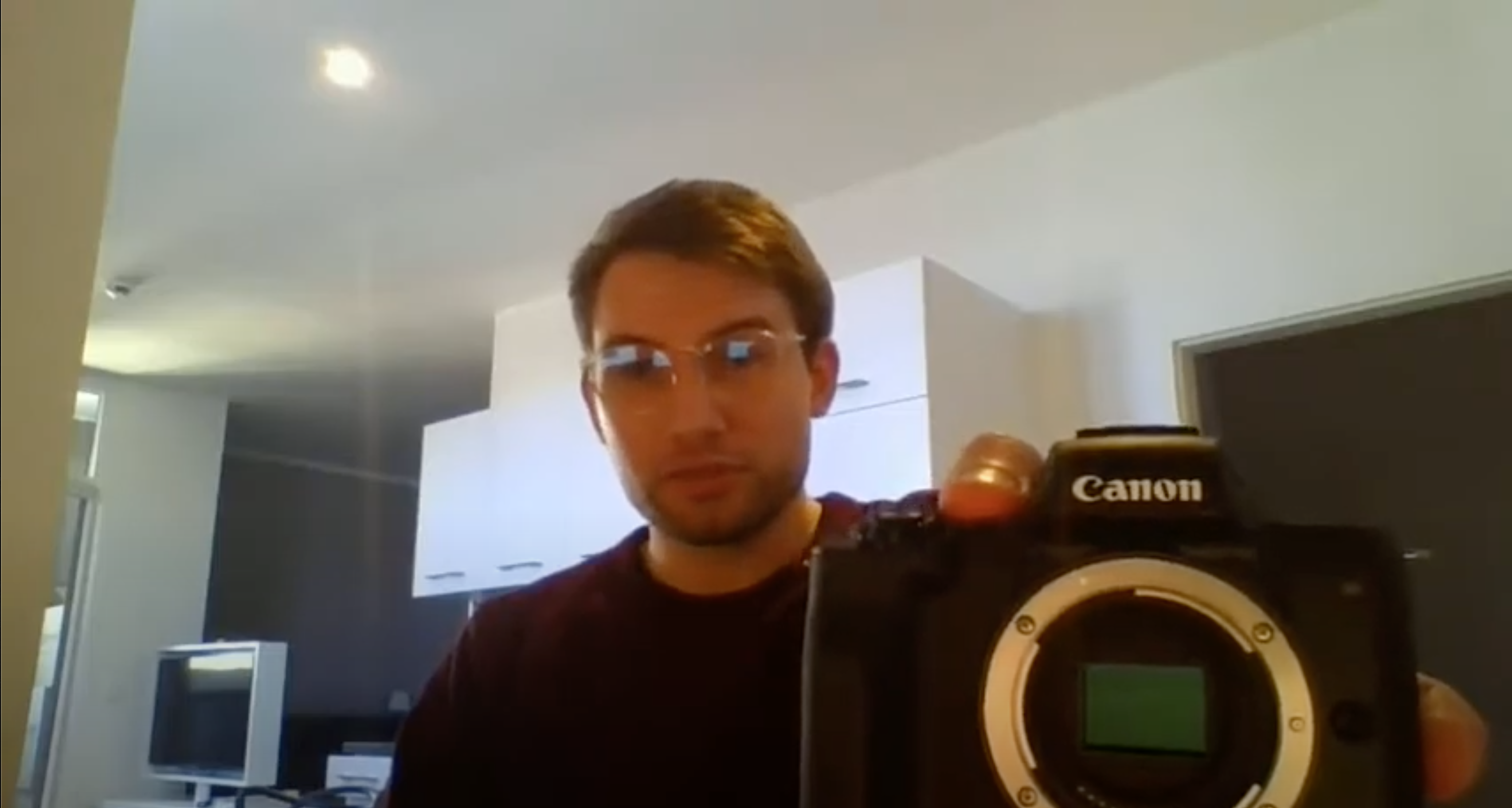
Optical Engineer Kevin Quist explains how cameras work, describing sensors, lenses, and pixels in a kid-friendly way

View Now Add to saved content

Thermal Properties of Optical Substrates

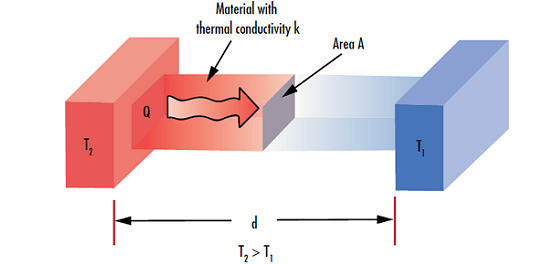
The thermal properties of optical substrates including the CTE, dn/dT, and thermal conductivity are critical for predicting real-world performance

View Now Add to saved content

Minimizing Thermal Lensing in Ultrafast Systems

Specialized coatings can minimize thermal lensing in ultrafast laser systems, which are particularly susceptible to detrimental thermal effects.

View Now Add to saved content

Does Edmund Optics sell cameras with APS-C or APS-H sensors?

View Now Add to saved content

Coefficient of Thermal Expansion (CTE)

View Now Add to saved content

Is frame rate, area of interest and exposure time related when using the Edmund Optics USB2.0 cameras?

View Now Add to saved content

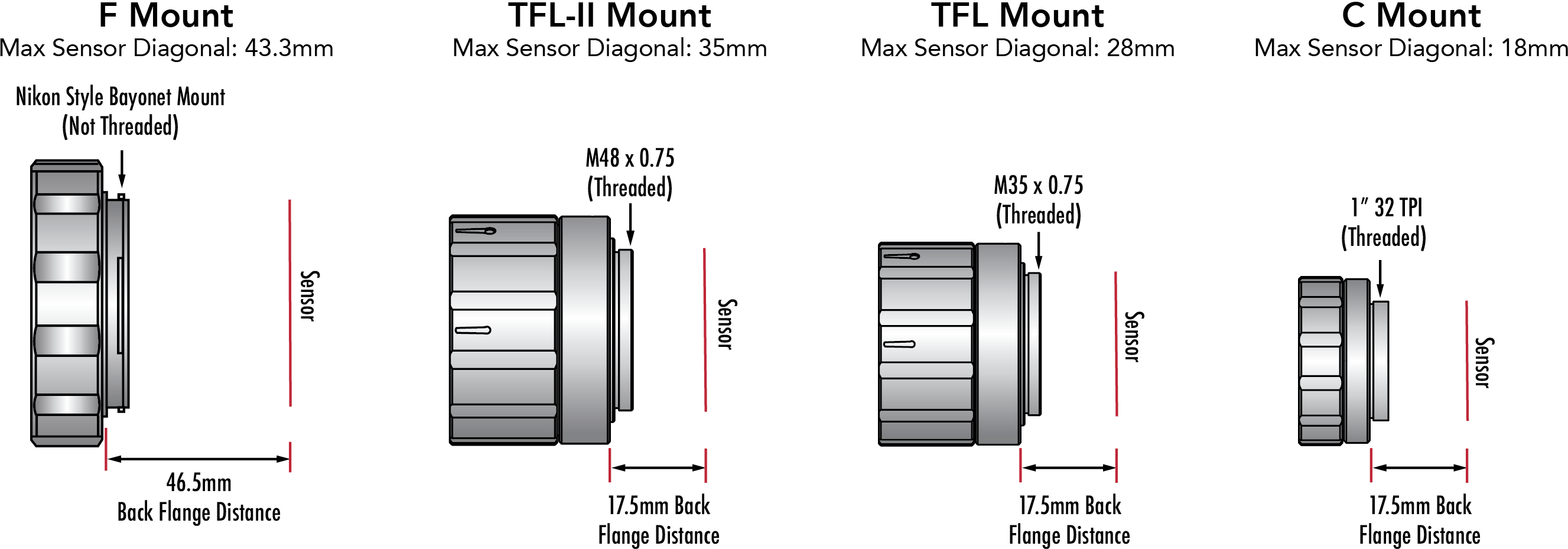
Does Edmund Optics sell cameras with a TFL Mount?

View Now Add to saved content

I have two Basler Scout GigE cameras but I cannot use them simultaneously. When connected to a computer, either via two network cards or a single network card and a switch, they can be opened but cannot acquire images. What is causing the problem?

View Now Add to saved content

How to Power USB and GigE Cameras: Choosing the Right Accessories

Optimizing your imaging system means more than just choosing the right camera. Selecting the correct camera accessories ensures optimum performance, system stability, and successful integration. This application note explains power requirements for the two most common camera interfaces, USB and GigE, details the essential and optional accessories that enable reliable power delivery, and gives expert tips for selecting the most suitable components for your imaging system.

View Now Add to saved content

Basis of a Filter and How to Choose, How to Use (フィルターの基礎と選び方・使い方)

View Now Add to saved content

Complex circuits challenge cameras

View Now Add to saved content

Specifying lenses for megapixel cameras

View Now Add to saved content

Minimizing Thermal Lensing in Ultrafast Materials Processing

View Now Add to saved content

Don't overspecify machine-vision cameras

View Now Add to saved content

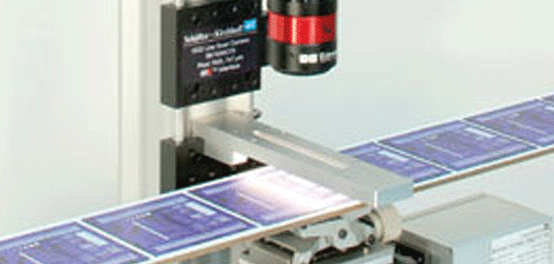
Strategically Placed Cameras Track Pharmaceuticals

View Now Add to saved content

An Uncertain Future for the Marriage of Lenses and Cameras

View Now Add to saved content

Combatting thermal lensing in high-power ultrafast laser systems

View Now Add to saved content

Lens Considerations Change for Large-format Cameras

View Now Add to saved content

Growing Sensor Sizes And Uncertainty In Pairing Lenses and Cameras

View Now Add to saved content

Integration with Consumer Electronics

Bringing Professional-Grade Technology to All

View Now Add to saved content

Imaging Electronics 101: Understanding Camera Sensors for Machine Vision Applications

The performance of an imaging system relies on a number of things, including imaging electronics. Before using your imaging system, learn about camera sensors at Edmund Optics.

View Now Add to saved content

Byte Sized: The Case of Color vs. Monochrome

Should you use a camera with a color or monochrome sensor for your imaging application? - Quick and fun video guide

View Now Add to saved content

Imaging Electronics 101: Basics of Digital Camera Settings for Improved Imaging Results

Do you want to improve your imaging results? Go back to the basics of camera settings, learn how these important aspects can affect your image at Edmund Optics.

View Now Add to saved content

Glass Cutting with Cailabs Canunda Reflective Axicons

Watch how LZH uses the Cailabs Canunda Reflective Axicons to improve the efficiency and quality of glass cutting by generating high-power Bessel beams.

View Now Add to saved content

Top Optics Trends of 2021 – TRENDING IN OPTICS: EPISODE 3

Several of the most interesting trends in optics and photonics of 2021 were the landing of the Perseverance Rover on Mars, Stemmed Mirrors, minimizing thermal lensing in ultrafast laser systems, and developments in ultraviolet lasers.

View Now Add to saved content

You offer many substrates for UV and IR applications. How do I know which is best for me?

View Now Add to saved content

What are supermirrors?

View Now Add to saved content

Ruggedized Imaging Systems for Harsh Environments

The growth of automation has introduced machine vision lenses to more harsh environments involving shock, vibration, contaminants, and temperature swings.

View Now Add to saved content

Imaging Electronics 101: Camera Resolution for Improved Imaging System Performance

Camera resolution is one of the many aspects contributing to the quality of your imaging system. Find key parameters and tech tips at Edmund Optics.

View Now Add to saved content